

 Facebook
 X
 Pinterest
 Copy Link
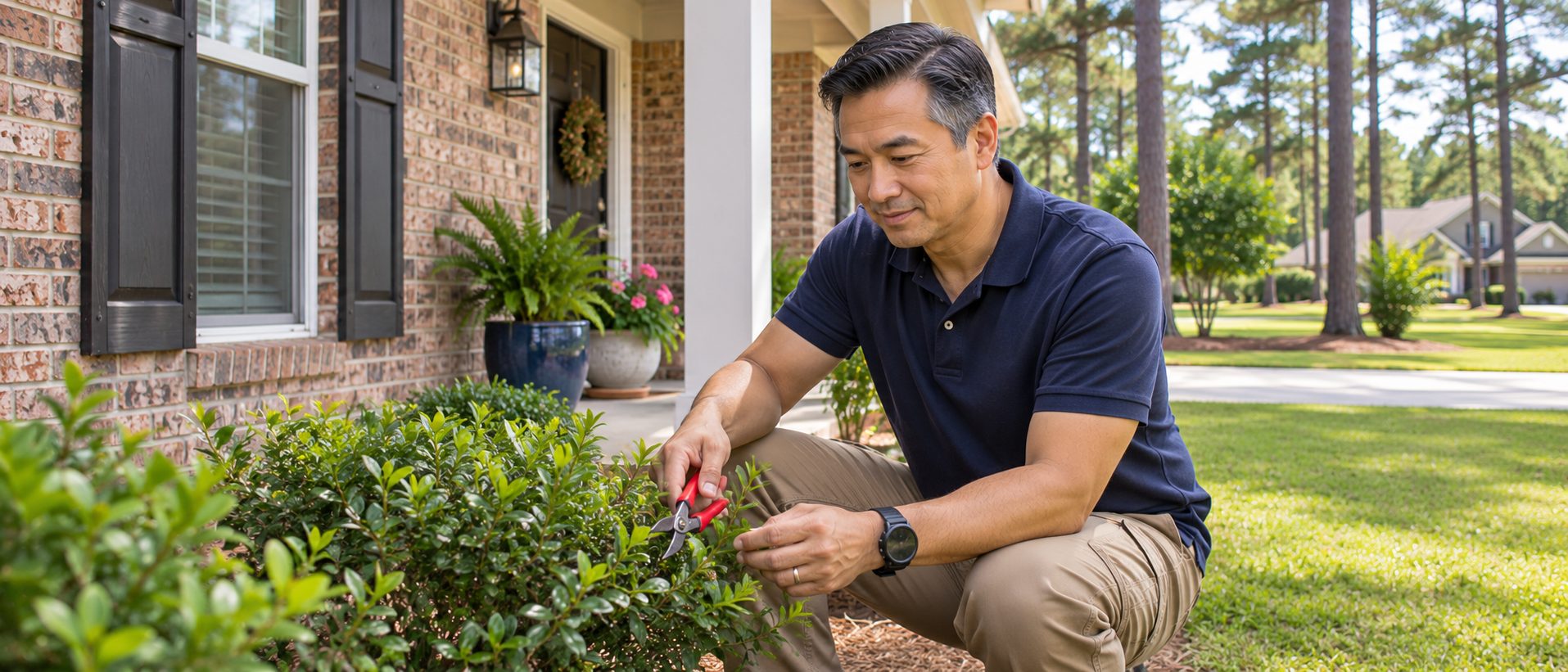
Taking care of your home today can make tomorrow’s decisions a little easier.
Buying a home is a big decision. But once you’ve moved in, unpacked the boxes, and settled into your routine, another part of homeownership begins.
Taking care of it.
And I’m not just talking about keeping the grass cut or the house clean.
Homes need attention over time, especially here in Northwest Florida, where heat, humidity, heavy rain, and changing weather can affect everything from the roof to the landscaping.
The good news is that you don’t have to do everything at once.
I’ve always believed that taking care of the little things along the way can help prevent bigger surprises later. And whether you plan to stay in your home for five years or twenty, that kind of steady attention can make a real difference.
Pay Attention to What Your Home Is Telling You
Most homes give us little reminders when something needs attention.
A faucet starts dripping. A door doesn’t close quite as easily as it used to. You notice a water stain near a window or an area of the yard that stays wet longer than it should.
It’s easy to put those things off, especially when life gets busy.
But small problems don’t always stay small.
I encourage homeowners to get into the habit of noticing changes and checking on them before they become expensive repairs.
That doesn’t mean you need to become an expert in roofing, plumbing, or electrical work. It means knowing when something needs a closer look and calling a qualified professional when appropriate.
A little attention now can save a lot of frustration later.
Northwest Florida Weather Deserves a Little Extra Thought
Living along the Emerald Coast and throughout our inland communities has plenty of advantages, but our climate does place some demands on a home.
Humidity can contribute to moisture problems. Heavy rainfall makes drainage important. Long cooling seasons put plenty of use on air-conditioning systems.
And, of course, we live in an area where preparing for tropical weather is part of responsible homeownership.
Some of the things worth keeping an eye on include:
- Roof and exterior condition. Watch for damaged materials, leaks, and areas where water may be entering.
- Drainage around the home. Make sure water is moving away from the foundation rather than collecting against the house.
- Heating and cooling systems. Keep up with filter changes and recommended professional maintenance.
- Caulking and weather seals. Check around windows, doors, and other openings where moisture may find its way inside.
- Trees and landscaping. Pay attention to limbs near the roof, overgrown vegetation, and areas that may need attention before severe weather.
The right maintenance schedule depends on your home, its age, and its systems.
You don’t have to tackle everything in one weekend. A regular routine is usually much easier to manage than waiting until several things need attention at the same time.
Keep Track of the Work You’ve Done
Here’s something homeowners sometimes overlook: keeping records.
When you replace a roof, service your HVAC system, install new appliances, or make a significant repair, save the documentation.
Keep receipts, warranties, permits when applicable, and information about the contractors who completed the work.
You may not need those records very often, but they can be helpful when you do.
They can make future maintenance easier, support insurance-related conversations, and help answer questions if you eventually decide to sell.
Buyers often appreciate knowing how a home has been maintained, even though records alone don’t guarantee a particular sale price.
A simple folder, whether digital or on paper, is a good place to start.
Not Every Improvement Needs to Be About Resale
I think this is an important point.
Sometimes homeowners get so focused on whether an improvement will add value that they forget they’re the ones living in the house right now.
If updating a bathroom makes your daily routine easier, that may be worthwhile even if you don’t recover every dollar when you sell.
If adding shade to your patio makes the backyard more enjoyable, that’s a benefit you get to experience.
And if changing a room’s purpose helps the home work better for your family, that matters too.
Not every decision has to be made with a future buyer in mind.
At the same time, before taking on a major renovation, it’s smart to understand how the expense fits your budget, your plans, and the surrounding market.
The goal is to make improvements that make sense for you without assuming every project will increase the home’s value by what you spend.
Your Needs May Change Before Your Address Does
A home that was perfect when you bought it may need to work a little differently ten years later.
Children grow up. Work schedules change. Parents or relatives may come to stay. You might begin working from home or decide you no longer want to maintain quite so much yard.
Sometimes small adjustments help a home continue meeting your needs.
Other times, those changes start a bigger conversation about whether the house is still the right fit.
In How Do You Know It’s Time to Move? It Usually Isn’t Just About the House, we talked about how those decisions often begin with changes in everyday life rather than something being wrong with the property itself.
You don’t need to make a move just because your circumstances have changed.
But it helps to recognize when your home is still supporting the life you want—and when it may be time to consider something different.
Taking Care of Your Home Can Make Selling Easier Later
Even if selling is nowhere on your calendar, regular maintenance can make that process less stressful if the time eventually comes.
Think about the difference between handling repairs gradually and discovering several issues just before listing.
One gives you time to plan and budget.
The other may leave you making decisions under pressure.
That’s one reason I encourage homeowners to think about preparing to sell before they’re actually ready to list.
It doesn’t mean you need to start staging rooms or packing boxes.
It simply means understanding the condition of your home, keeping up with necessary repairs, and knowing what may need attention in the future.
And when the time does come to sell, what buyers notice first when touring your home often includes how well the property has been cared for—not just the finishes or decorating.
Of course, maintenance doesn’t eliminate every surprise. But it can put you in a better position to make decisions with fewer unknowns.
Give Your Home the Attention It Needs, Not More Than It Needs
I don’t believe homeownership should feel like a never-ending list of expensive projects.
Some things need prompt attention, especially when safety or water damage is involved.
Others can be planned over time.
And some improvements are simply personal choices.
The important thing is understanding the difference.
You don’t have to renovate every room, replace everything that’s getting older, or make your home look like the newest house on the market.
You just need a reasonable plan for caring for the home you have.
Good Homeownership Is a Long-Term Conversation
One of the things I appreciate about real estate is that the relationship doesn’t have to end at closing.
Questions come up after you’ve moved in.
You may wonder whether an improvement makes sense, how changes in the market affect your property, or whether your home still fits your plans.
Those are all good reasons to reach out.
You don’t have to be buying or selling to have a real estate conversation.
And if you’re wondering what your home might be worth or whether a future move makes sense, I’m always happy to help you look at the options.
Taking care of your home today isn’t just about protecting a property.
It’s about keeping your home comfortable, protecting the investment you’ve made, and giving yourself more choices for whatever comes next.
There’s no rush—let’s make the right move.
