

 Facebook
 X
X
 Pinterest
 Copy Link
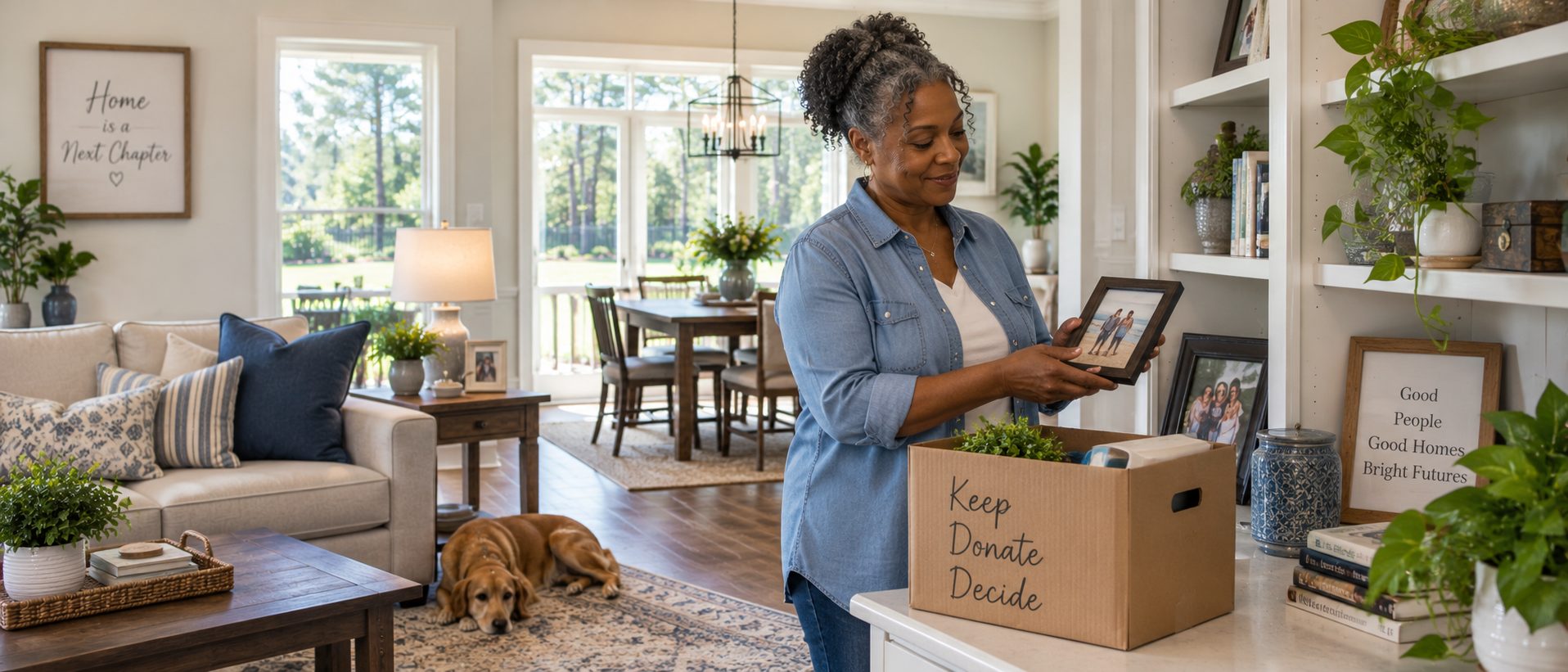
Sometimes the best time to start talking about selling your home is when you’re not ready to sell it yet.
That may sound a little backward, but I’ve found that homeowners often have more options when we can start the conversation before there’s a deadline.
Maybe you think a move could happen next spring. Maybe retirement is somewhere on the horizon. Your family may be outgrowing the house, or you may simply be wondering whether another home would fit your life better.
You don’t need a listing date to start figuring those things out.
In fact, a little preparation now can make the eventual decision much easier.
Start With What You Actually Need to Do
One of the first questions homeowners often ask me is:
“What should I do to the house before I sell it?”
My answer depends on the house.
Some homes need repairs. Some benefit from fresh paint or a few simple updates. Others are already in good condition and need very little beyond decluttering and a good cleaning.
That’s why I wouldn’t automatically start replacing flooring, remodeling a kitchen, or making expensive improvements because you assume buyers will expect them.
Before spending the money, it helps to understand what buyers in your market are actually responding to.
What buyers notice first when touring your home can be much simpler than many sellers expect.
Take Care of the Things You’ve Been Putting Off
Preparing early does give you one big advantage: time.
That dripping faucet you’ve learned to ignore?
The damaged piece of trim?
The room you’ve meant to repaint for three years?
Those small projects are much easier to handle one at a time than during the two weeks before photographs and showings.
Start with maintenance rather than transformation.
Taking care of the home you’ve lived in is useful whether you decide to sell six months from now, two years from now, or not at all.
Know What Your Home May Be Worth
You don’t need to be ready to list before you start understanding your home’s potential value.
Knowing where you stand can help answer much bigger questions.
Do you have enough equity to make the next move work? Would selling allow you to downsize comfortably? How much could you realistically put toward another home?
And just as importantly, what are buyers actually paying for homes like yours?
Online estimates can provide a starting point, but pricing a home requires looking at the property itself and what is happening in the local market.
When the time gets closer, understanding how to price your home in today’s market can help you see why positioning matters from the beginning.
Decluttering Doesn’t Have to Happen in a Weekend
This is another reason I like early preparation.
If you’ve lived in a home for years, you’ve probably accumulated quite a bit along the way.
Trying to sort through all of it right before a move can make an already busy time feel much harder.
Instead, start slowly.
One closet. One cabinet. One garage shelf.
Keep what you use and love. Donate or dispose of things you no longer need. Pack away items you want to keep but rarely use.
You’re not staging your home yet.
You’re simply making a future move easier if and when it happens.
Think About Where You’re Going, Too
Preparing to sell shouldn’t only be about the house you’re leaving.
It’s also about what comes next.
If you’ll need to purchase another home, understanding that side of the move early can be just as important as preparing your current property.
Will you need the proceeds from your sale before buying?
Would you prefer to sell first?
Could temporary housing work if the timing doesn’t line up perfectly?
There are several ways to approach it, and planning how to sell one home while buying another can remove a lot of uncertainty before either transaction begins.
You Don’t Have to Know the Answer Yet
Sometimes an early conversation leads to a plan for selling.
Sometimes it leads to a decision to wait.
And sometimes homeowners realize that staying where they are makes the most sense right now.
All three can be good outcomes.
If you’re beginning to wonder whether your home still fits the life you’re living, thinking through whether it’s time to move may be a better first step than worrying about when to put a sign in the yard.
You don’t have to be ready to sell to start preparing.
You just need enough information to understand your options.
Then, when the time is right, you’re making a decision from a position of preparation instead of pressure.
There’s no rush—let’s make the right move.
